Value-creating behaviours
Key: Behaviour is a digital tool that helps you identify, analyse and create behaviours that work for everyone in your team.
.svg)
.svg)
.svg)

.svg)
.svg)

Key: Behaviour 5.0—beprövad vetenskap i digitalt format
Key: Behaviour grundar sig på den vetenskapliga DISC-teorin, som använts sedan 1920-talet. Vi tog fram vårt egna digitala verktyg redan 1997 och har i samarbete med kunder utvecklat detta till en digital plattform som idag är oerhört effektivt för analys och utveckling av värdeskapande beteenden hos både invider och grupper.
Key: Behaviour 5.0 — proven science in digital format
Key: Behaviour is grounded in the scientific DISC theory, which has been in use since the 1920s. We developed our own digital tool as early as 1997 and have, in collaboration with clients, evolved it into a digital platform that today is remarkably effective for the analysis and development of value-creating behaviours in both individuals and groups.

Key: Behaviour 5.0—beprövad vetenskap i digitalt format
Key: Behaviour grundar sig på den vetenskapliga DISC-teorin, som använts sedan 1920-talet. Vi tog fram vårt egna digitala verktyg redan 1997 och har i samarbete med kunder utvecklat detta till en digital plattform som idag är oerhört effektivt för analys och utveckling av värdeskapande beteenden hos både invider och grupper.
Key: Behaviour 5.0—beprövad vetenskap i digitalt format
Key: Behaviour grundar sig på den vetenskapliga DISC-teorin, som använts sedan 1920-talet. Vi tog fram vårt egna digitala verktyg redan 1997 och har i samarbete med kunder utvecklat detta till en digital plattform som idag är oerhört effektivt för analys och utveckling av värdeskapande beteenden hos både invider och grupper.
Analyses
Key: Individual
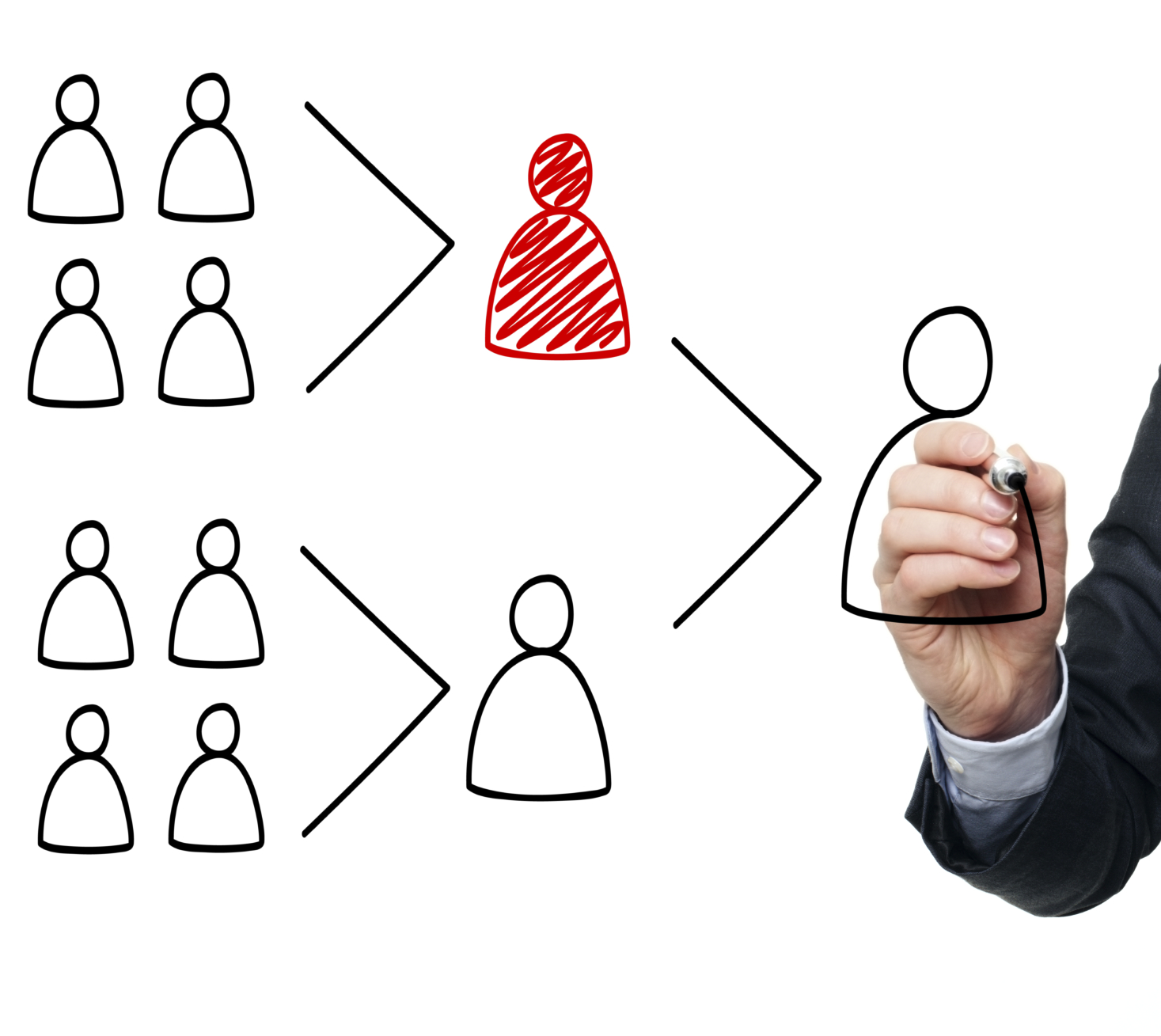
This analysis is based on a self-assessment of behaviours that is validated in open dialogue with a facilitator. Through repeated analyses, the individual and facilitator can jointly track and calibrate personal development to achieve a defined potential.
Key: Role
This analysis is used to identify optimal behaviours ahead of recruitment or the creation of a new role. The facilitator aligns expectations from various stakeholders and analyses existing behaviours within the group to define the behavioural profile that best serves the role.
Key: 360º
Here, self-assessment is combined with feedback from six other people. The results match self-perception and colleagues' perspectives in both graphics and text. Strengths and goals are clarified, so that the person can quickly come into their own in a new, desired situation.
Key: Team
Compare individual profiles with a profile of the group as a whole. Strengths, weaknesses and potential are then defined in a requirements profile for the group's upcoming work. This shows which behaviours are needed for communication and ways of collaborating that work for everyone.
Training
For continuous analysis and development of individuals and groups, it is best to have knowledgeable internal facilitators. We train and certify your own staff in an intensive three-day course. Contact us for more information.
Key: read more
Behaviours that lead to results
Behaviours that create value
Start your transformation journey now
We work closely with our clients and always tailor the approach to the organisation's goals and conditions.